Learning
Feed your curiosity and expand your horizons. These activities challenge your mind with new skills, fascinating topics, and hands-on techniques you can explore at your own pace.
Learning something in an hour sounds like a contradiction, and the resolution is that an hour is enough to reach the point where a subject stops being opaque. You will not become competent. You will find out what the subject is actually made of, which is the step that determines whether you ever come back to it, and it is the step most people never take. An hour also tells you something useful about yourself, namely whether the subject holds your attention once the novelty has gone.
These suit you when curiosity has been sitting unaddressed, when you want an hour that leaves you knowing something you did not know this morning, or when you are deciding whether to invest properly in a subject. Several are also unusually good company for a commute or a walk. A few, particularly first aid and car maintenance, are practical enough that the hour may pay for itself unexpectedly.
To choose, decide whether you want knowledge or a skill, because the two behave differently. Astronomy, local history, tea and wine reward reading and produce understanding you can use immediately. Juggling, knots, calligraphy, cube solving and Morse code are motor skills that need repetition, so an hour buys you the beginning rather than the thing itself. Language phrases and the phonetic alphabet sit between the two and are unusually quick wins. None of these require prior knowledge, and several are more interesting precisely because you are approaching them without any.
What you need is almost always a screen and something to write on. A handful need one physical object: a cube, three beanbags, a length of rope, a deck of cards. Where an activity needs equipment, the cheap version is genuinely adequate, and buying the expensive version before knowing whether you enjoy something is the commonest way people spend money on abandoned hobbies.
Getting started today means picking the subject you have been vaguely meaning to look into, rather than the one that sounds most impressive. Curiosity that already exists is the strongest predictor of whether you continue past the first hour. Set a timer, take notes you will reread, and pick one specific thing to look up afterwards rather than attempting to cover the whole field. Libraries remain an underused resource here, since most of them lend equipment, run classes and provide access to material that is otherwise paywalled.

Learn a new skill from a YouTube tutorial
Pick something you've always wanted to try—from cooking to coding—and follow along with a free video lesson.
Read the full guide →
Learn basic phrases in a new language
Master greetings, numbers, and essential phrases in a language you're curious about using apps or online resources.
Read the full guide →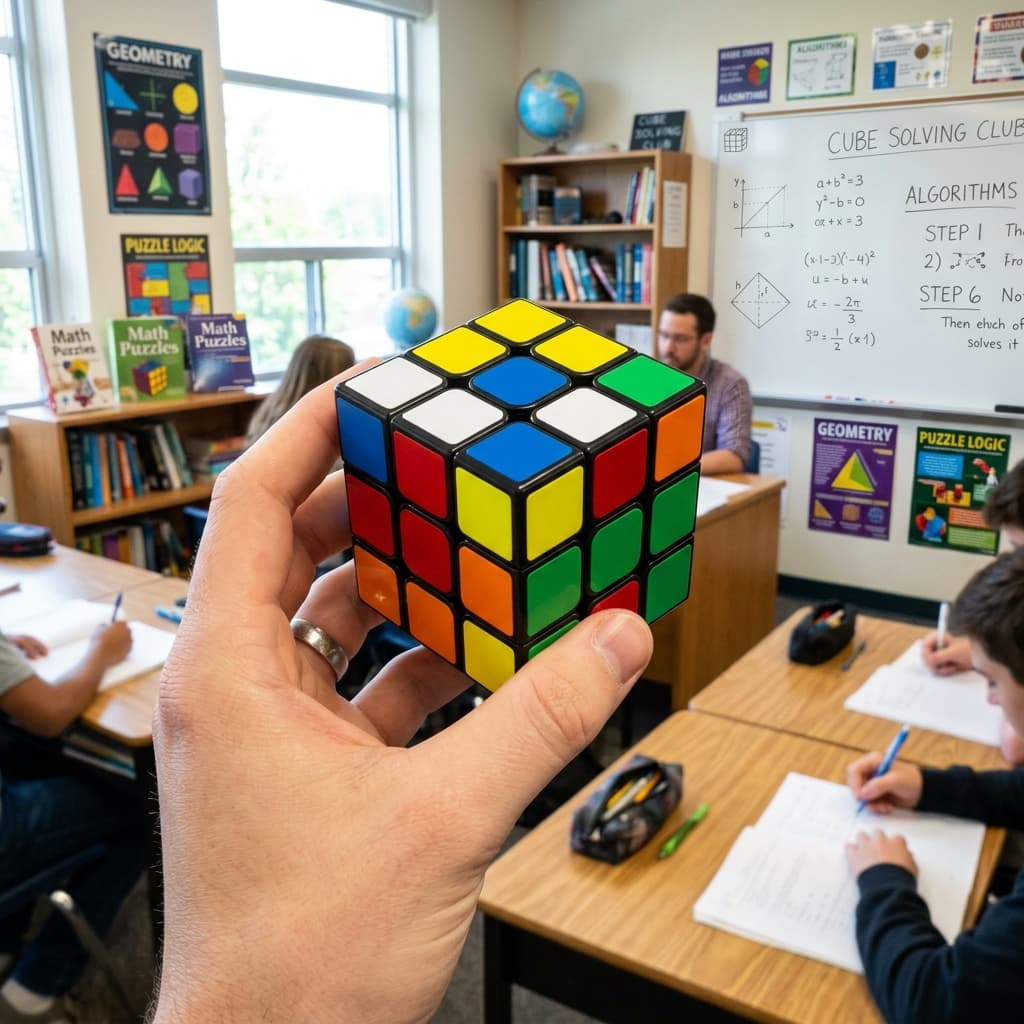
Learn to solve a Rubik's cube
Follow beginner algorithms to solve the classic puzzle layer by layer—a satisfying brain workout once it clicks.
Read the full guide →
Learn about constellations and stargaze
Study star charts or use a sky map app to identify constellations, then head outside to spot them for real.
Read the full guide →
Learn about different types of tea
Explore the world of green, black, oolong, and herbal teas—their origins, flavour profiles, and brewing methods.
Read the full guide →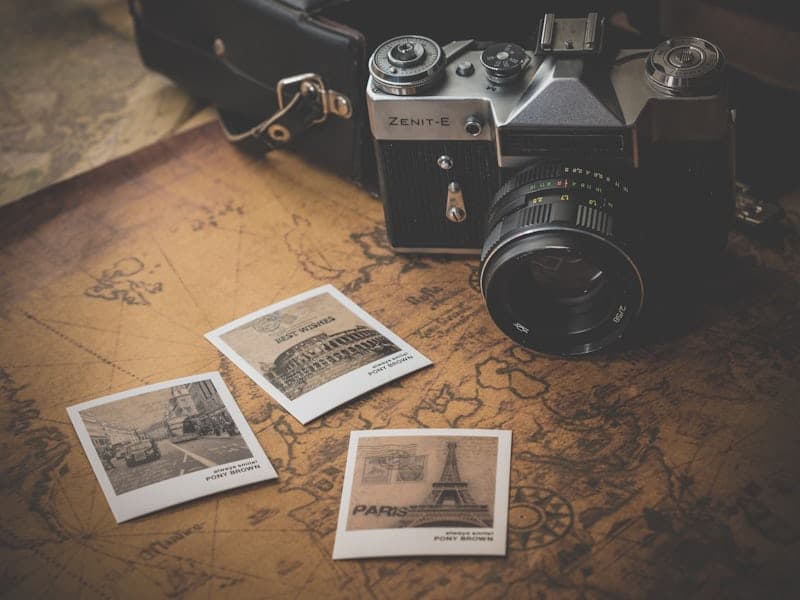
Learn basic photography composition
Photography composition is how you arrange a subject and the surrounding space in the frame.
Read the full guide →
Learn to juggle three balls
Start with the cascade pattern and build coordination through repetition—a fun party trick and focus exercise.
Read the full guide →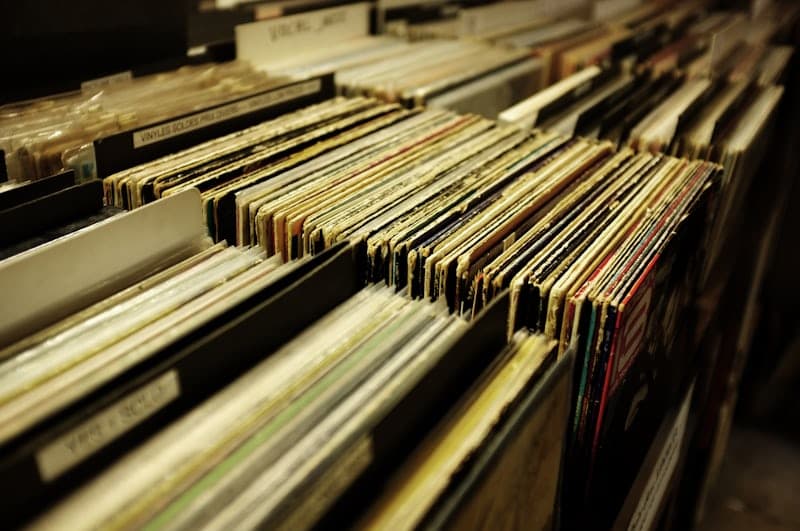
Learn about local history
Research the stories behind landmarks, street names, and events in your area—you'll see your neighbourhood differently.
Read the full guide →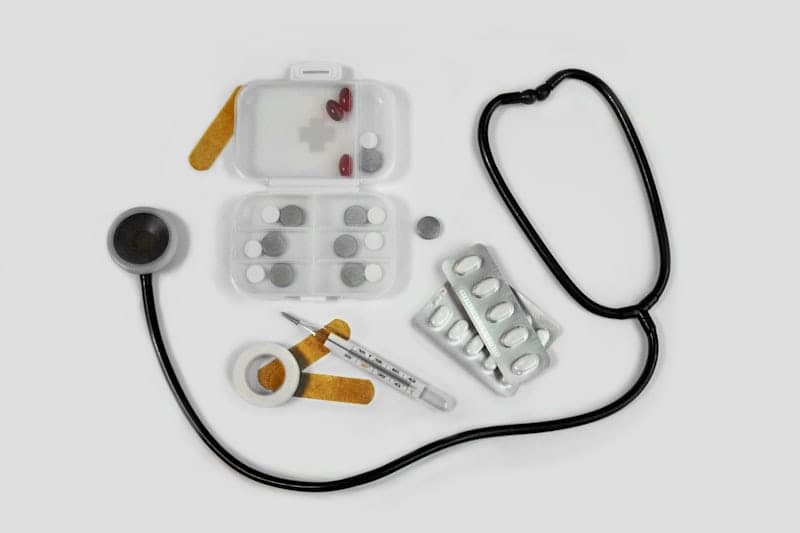
Learn basic first aid techniques
Study CPR, wound care, and choking response so you're prepared to help in an emergency situation.
Read the full guide →
Learn to tie different knots
Master useful knots like the bowline, clove hitch, and figure-eight for camping, sailing, or everyday use.
Read the full guide →
Learn about wine pairing basics
Discover which wines complement different foods—understanding body, acidity, and tannins makes every meal better.
Read the full guide →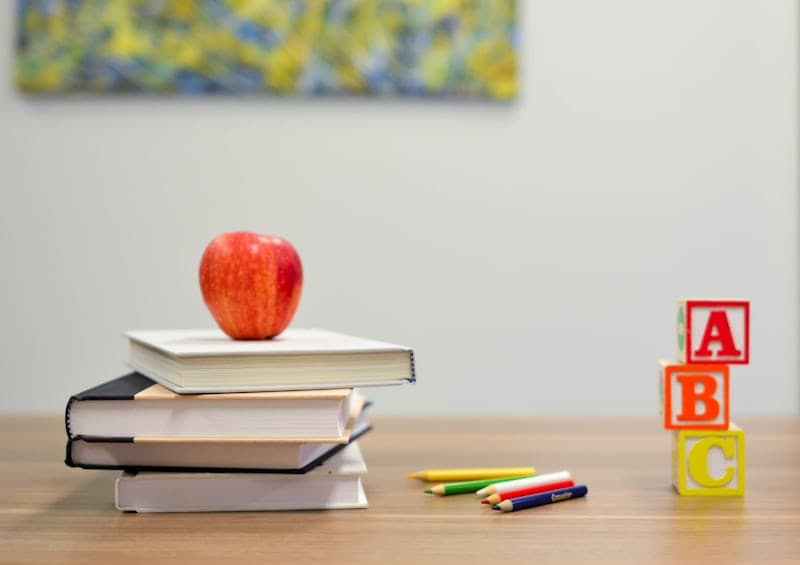
Learn magic tricks
Practice sleight-of-hand card tricks or coin illusions to entertain friends and sharpen your dexterity.
Read the full guide →
Learn about astronomy
Dive into planets, galaxies, and cosmic phenomena—the universe is vast and endlessly fascinating to explore.
Read the full guide →
Learn basic car maintenance
Basic car maintenance starts with your vehicle’s own handbook.
Read the full guide →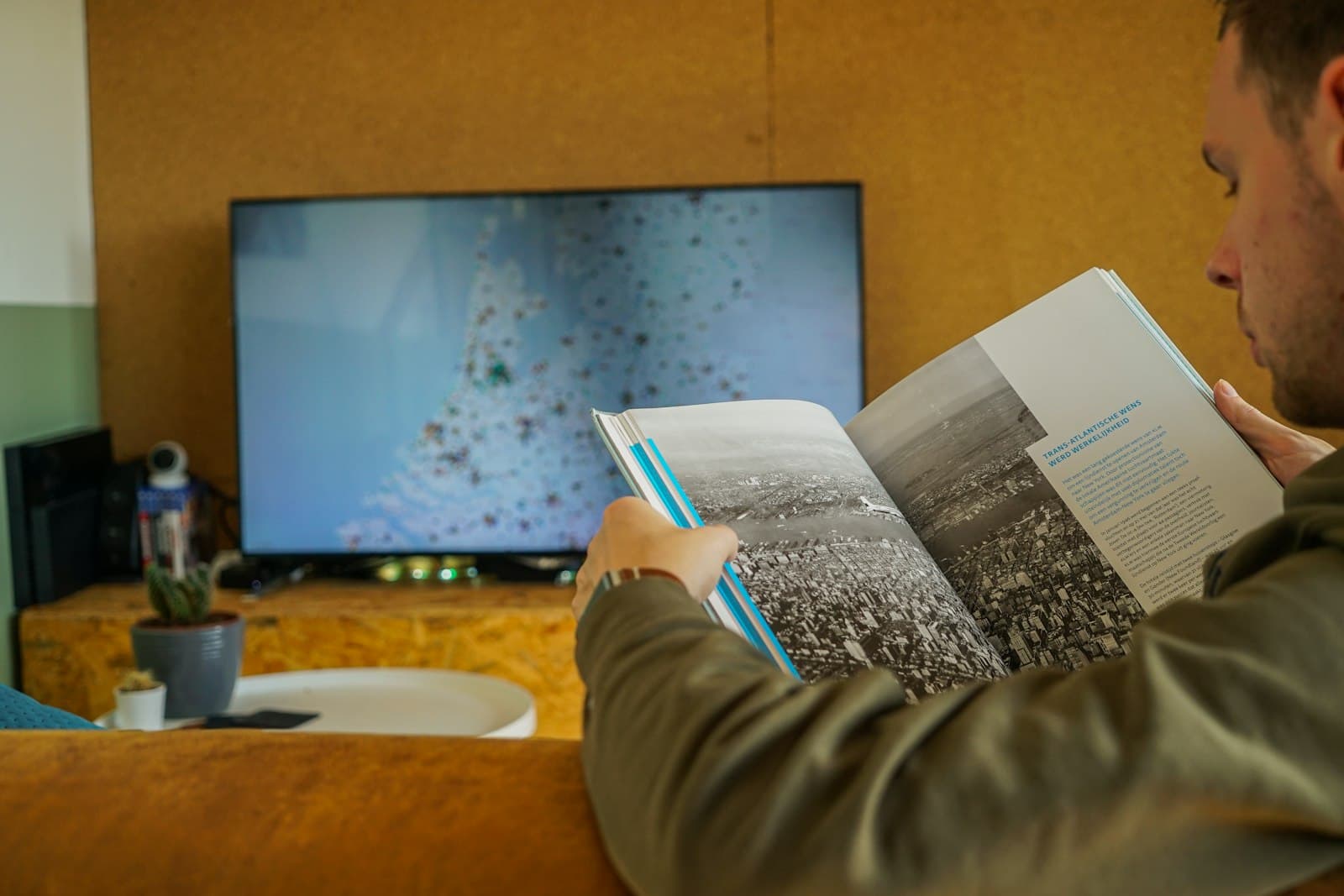
Watch a documentary on a brand-new topic
Pick a documentary about something you know nothing about and let it open a door.
Read the full guide →
Learn the phonetic alphabet
Alpha, Bravo, Charlie — memorize the NATO alphabet and spell anything clearly forever.
Read the full guide →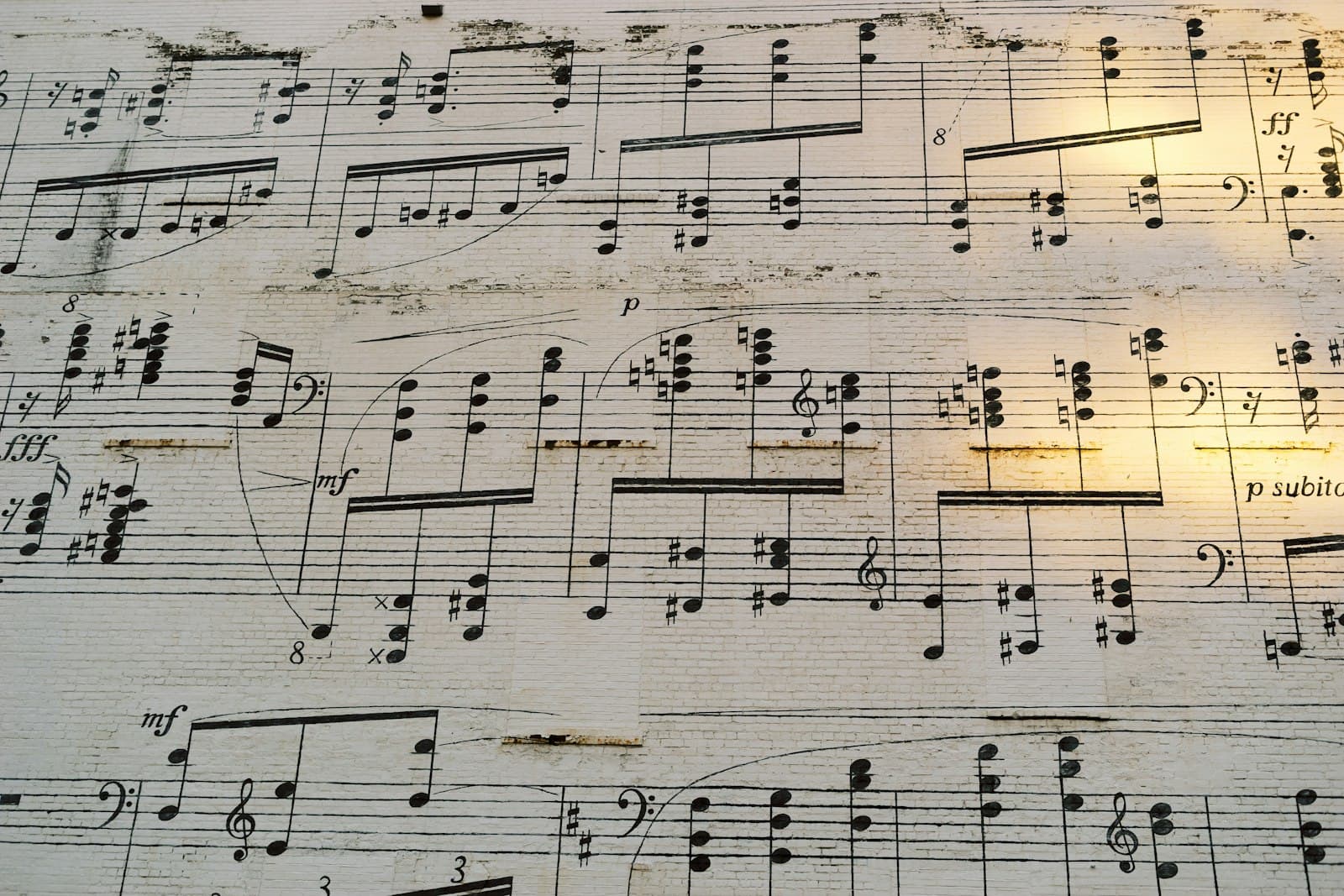
Learn to read basic music notation
Decode the lines and dots: learn how notes, rests, and rhythms work on a staff.
Read the full guide →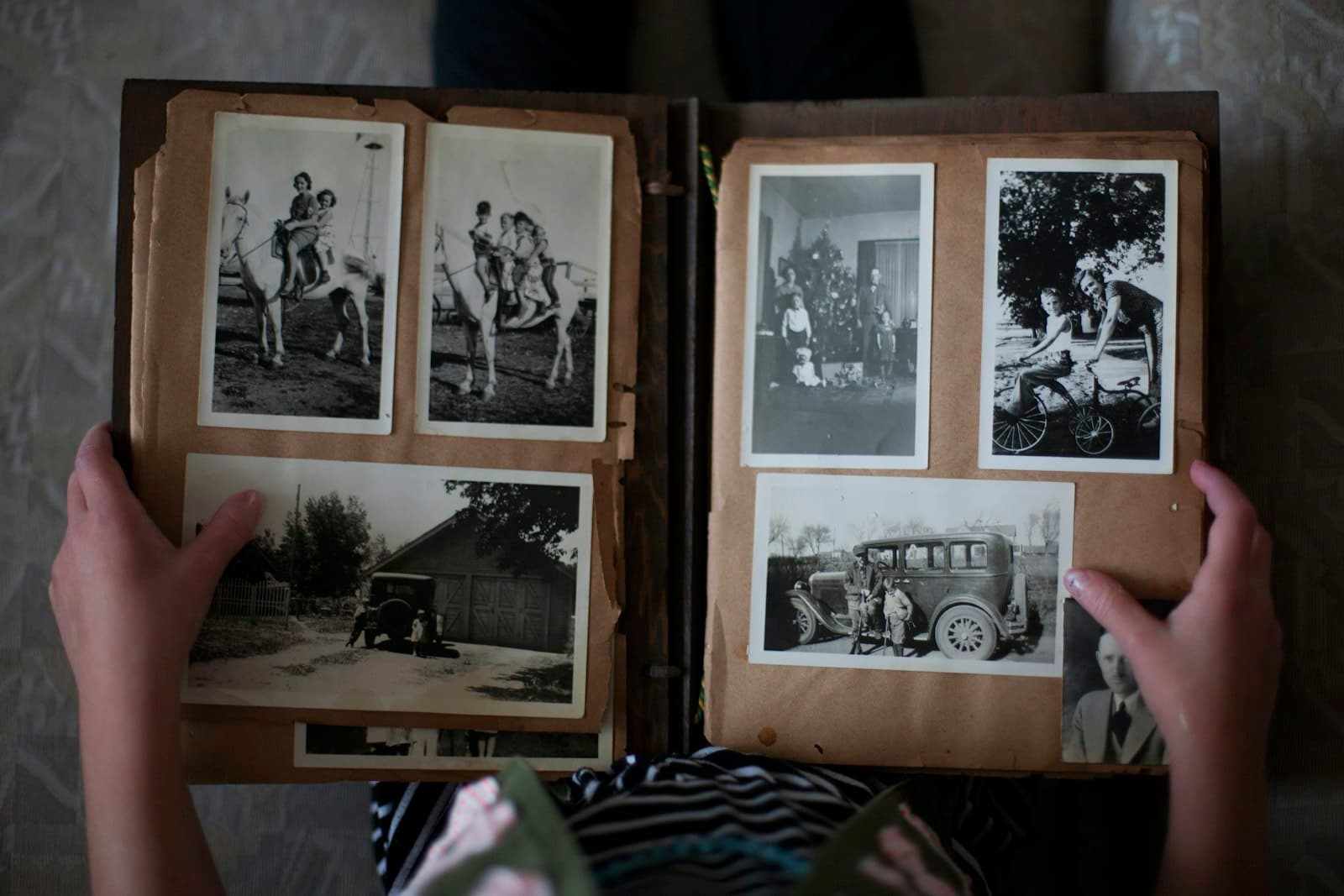
Explore your family tree online
Start a family tree with information you already know, then look for records that support it.
Read the full guide →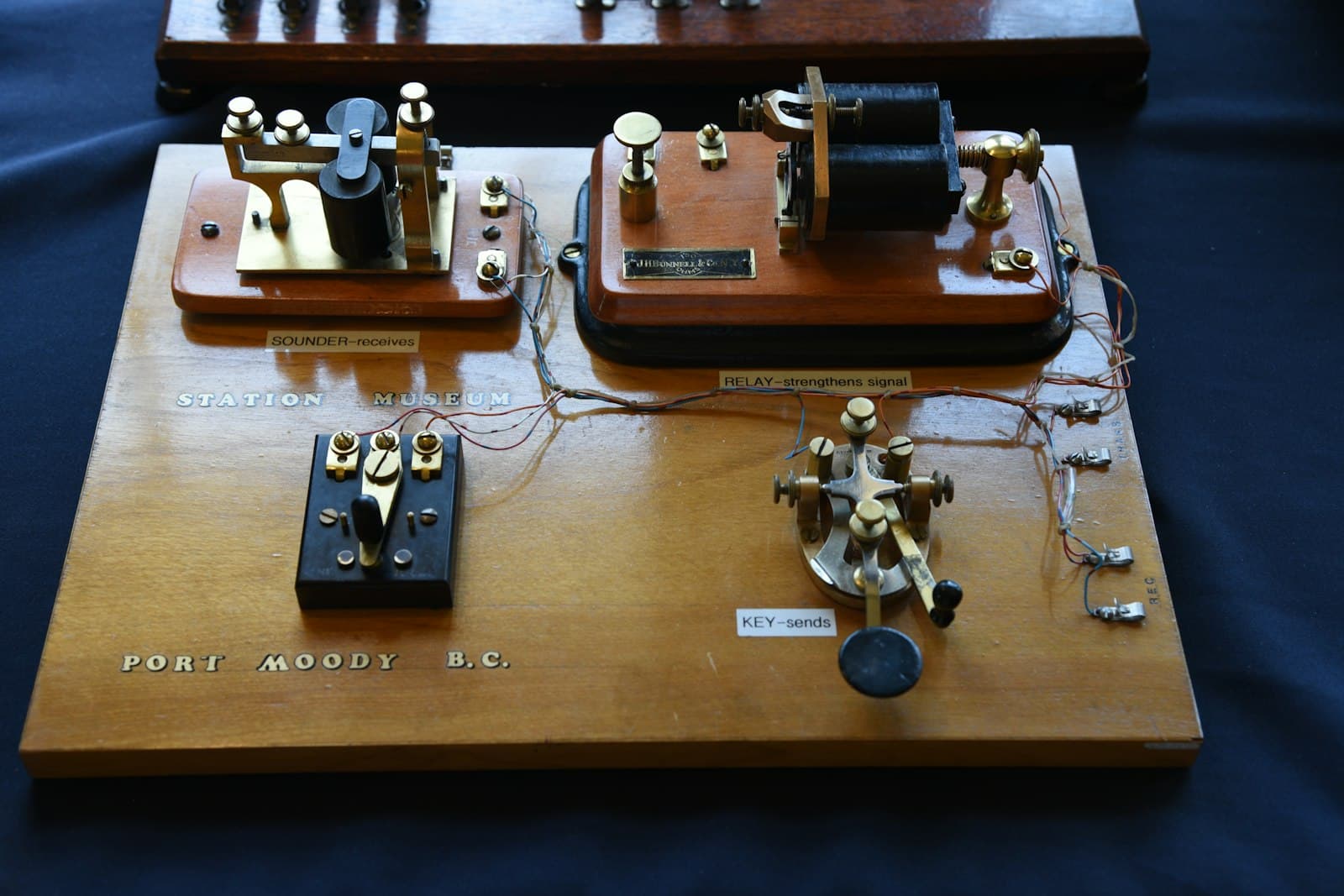
Learn Morse code basics
Learn to tap out SOS and your own name in the code that connected the world for a century.
Read the full guide →
Listen to an educational podcast episode
Queue up a well-loved podcast episode on science, history, or ideas and learn while you relax.
Read the full guide →Other Categories
Outdoor
20 activities
Creative
20 activities
Food & Drink
20 activities
Mindfulness
20 activities
Social
16 activities
Games
16 activities
Career Development
20 activities
Organization
21 activities
Skills
22 activities
Financial
18 activities
Personal Growth
19 activities
Home Improvement
16 activities
Health & Fitness
16 activities