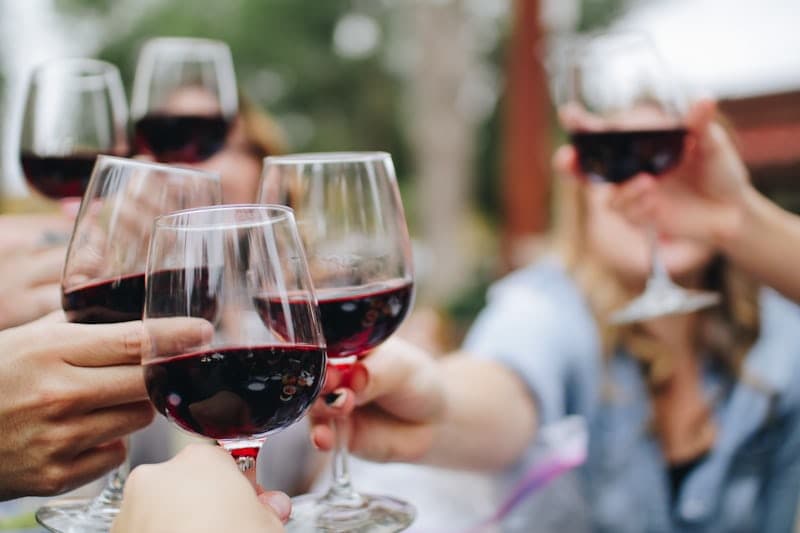
Learn about wine pairing basics
Discover which wines complement different foods—understanding body, acidity, and tannins makes every meal better.
- Time:
- 60 min
- Cost:
- medium
- Difficulty:
- moderate
- Where:
- Indoors
- Best:
- With others
Wine pairing basics are usually presented as an intimidating body of received rules, most of which reduce to three ideas that actually work. Match intensity so neither overwhelms the other, use acidity against richness, and never let the food be sweeter than the wine. That is most of it.
Why learn about wine pairing basics is worth an hour
Each rule has a mechanism rather than being convention. Acidity cuts through fat, which is why a sharp white works with a rich dish. Sweetness in food makes a drier wine taste sour and thin by contrast, which is a perceptual effect rather than a matter of taste. Knowing the mechanism means you can reason about a pairing nobody has written about.
How to learn about wine pairing basics step by step
- 1
Match intensity first
Delicate food with a delicate wine, robust with robust. This single rule prevents most genuinely bad pairings.
- 2
Use acidity against richness
A high-acid wine cuts fat and resets the palate. This is why sharp whites work with creamy dishes.
- 3
Keep the wine sweeter than the food
Otherwise the wine tastes thin and sour. It is the most reliable rule in the entire subject.
- 4
Watch out for the difficult ingredients
Artichoke, asparagus, egg and vinegar fight most wines. Knowing them saves a lot of confusion.
- 5
Test one pairing deliberately
Same dish, two contrasting wines. Tasting the difference teaches more than reading twenty rules.
Tips to get more out of it
- The regional rule is a genuinely useful shortcut: food and wine from the same place usually work together.
- Match the wine to the sauce rather than the protein. The sauce usually dominates the dish.
- White with fish and red with meat is a rough heuristic with many exceptions. Intensity matters more than color.
Ways to mix it up
If you would rather learn to assess wine itself than match it to food, the tasting technique is a separate skill worth its own hour. If you rarely drink wine, the same three principles apply almost unchanged to beer and non-alcoholic pairings.
Learn about wine pairing basics: frequently asked questions
Is white wine with fish an actual rule?
It is a rough heuristic. Intensity matters more than color, and a light red works well with several richer fish.
Why does my wine taste sour with dessert?
Because the food is sweeter than the wine, which makes the wine taste thin and acidic by contrast.
Which foods are hardest to pair?
Artichoke, asparagus, egg and anything heavily vinegared. These interfere with wine in ways that are hard to work around.
Related activities
Food & Drink
Learn proper wine tasting techniques
Practice the see-swirl-smell-sip method to appreciate a wine's color, aroma, body, and finish like a sommelier.
Food & Drink
Host a themed dinner party
Pick a theme—decade, country, or color—and plan a menu, decorations, and playlist for a memorable evening with friends.
Food & Drink
Try a new type of cheese
Visit a cheese counter and sample something you've never tasted—aged, smoked, soft, or blue—and pair it with crackers.