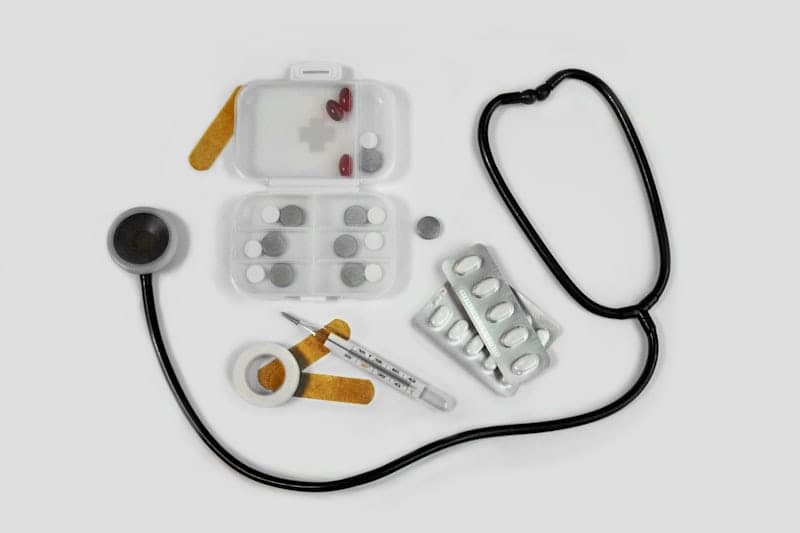
Learn basic first aid techniques
Study CPR, wound care, and choking response so you're prepared to help in an emergency situation.
- Time:
- 60 min
- Cost:
- free
- Difficulty:
- moderate
- Where:
- Indoors
- Best:
- Solo
An hour spent on basic first aid techniques will not qualify you for anything, and the single most useful outcome may be booking a proper hands-on course. That said, several things genuinely can be learned from reading: when to call emergency services, how to control bleeding, and the recovery position.
Why learn basic first aid techniques is worth an hour
Panic and hesitation are the main obstacles in a real emergency, and both are reduced by having thought about it in advance. Knowing when to call rather than what to do is often the highest-value knowledge, because most serious situations are handled by getting professionals there quickly while doing a small number of correct things meanwhile.
How to learn basic first aid techniques step by step
- 1
Learn your emergency numbers
Including the non-emergency line, and what information the operator will ask for. Location first, always.
- 2
Learn the recovery position
For an unconscious person who is breathing. It keeps the airway clear and is genuinely learnable from a diagram.
- 3
Learn direct pressure for bleeding
Firm continuous pressure on the wound. Simple, effective, and the thing people most often do hesitantly.
- 4
Check what is in your first aid kit
Most household kits are incomplete and half the contents are expired. Ten minutes, and it may matter.
- 5
Book a certified course
Hands-on practice with a qualified instructor is what actually prepares you. Reading is preparation for the course.
Tips to get more out of it
- Techniques like CPR require hands-on practice to perform correctly. Reading about compressions is not the same as doing them.
- Guidance is periodically revised. Follow your national resuscitation council rather than an undated article.
- Learn what applies to the people actually around you: children, allergies, or a specific medical condition someone in your household has.
Ways to mix it up
If you have young children, paediatric first aid differs meaningfully from adult and is worth a dedicated course. If you spend time outdoors far from help, wilderness first aid covers a different set of scenarios and assumes a long wait for assistance.
Learn basic first aid techniques: frequently asked questions
Can I learn first aid from reading alone?
Partly. Recovery position, bleeding control and when to call are learnable. CPR and choking response need hands-on practice.
What is the recovery position for?
An unconscious person who is breathing. It helps keep the airway clear while you wait for emergency services.
Where should I get first aid guidance?
From your national resuscitation council or recognized first aid organization, since guidance is revised periodically.
Related activities
Home Improvement
Test your smoke and carbon monoxide alarms
Press the test button on every alarm, replace tired batteries, and note when the units expire.
Home Improvement
Learn basic electrical safety
Learn what's safe to DIY, what isn't, and where your breaker box and shut-offs are.
Health & Fitness
Schedule overdue health check-ups
Book the dentist, optician, or doctor appointment you've been putting off — it takes ten minutes.