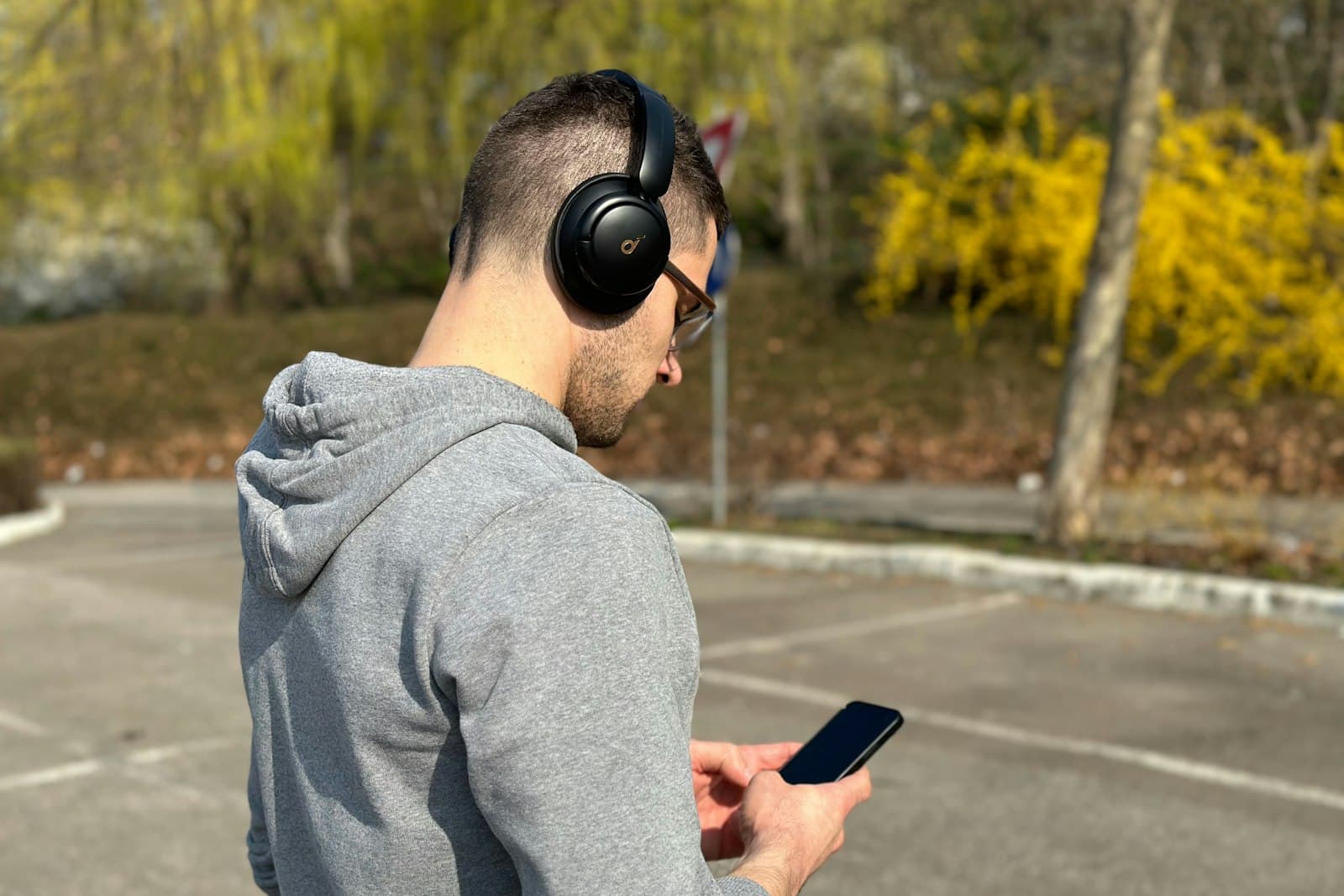
Listen to an educational podcast episode
Queue up a well-loved podcast episode on science, history, or ideas and learn while you relax.
- Time:
- 60 min
- Cost:
- free
- Difficulty:
- easy
- Where:
- Outdoors
- Best:
- Solo
An educational podcast episode listened to while driving, cooking and answering messages produces very little. That is not an argument against podcasts; it is an argument for occasionally treating one as the activity rather than the soundtrack. An hour of deliberate listening retains dramatically more than five hours of background audio.
Why listen to an educational podcast episode is worth an hour
Audio is easy to half-attend to, which is exactly why so little of it sticks. The genre also has a specific weakness: long unedited conversations sound authoritative while containing very little verifiable content, and a confident guest is indistinguishable from a correct one at listening speed. Both problems are addressed by choosing deliberately and doing something afterwards.
How to listen to an educational podcast episode step by step
- 1
Choose the episode, not the show
Pick a specific topic you want. Subscribing to a feed and listening to whatever appears is a different activity.
- 2
Pair it with something undemanding
Walking, washing up, ironing. Anything requiring language processing competes directly with listening.
- 3
Note timestamps rather than notes
A voice memo or one-word note when something lands. Full note-taking while listening does not work.
- 4
Write one idea afterwards
Immediately, in your own words. This single step is the difference between listening and learning.
- 5
Check one factual claim
Especially from a long unscripted interview. Confidence and accuracy sound identical in audio.
Tips to get more out of it
- Prefer shows citing sources or featuring working specialists over long unstructured conversations.
- Do not speed up beyond about one and a half times if you want to retain anything. Comprehension drops before you notice.
- Relisten to a genuinely good episode rather than always moving to the next. Repetition beats novelty for retention.
Ways to mix it up
If your commute is your listening time, use it for something you want to absorb loosely and save deliberate listening for a walk. If a subject genuinely interests you, follow the episode with an article or a book on it; audio is a poor primary source and an excellent entry point.
Listen to an educational podcast episode: frequently asked questions
Why do I forget everything I hear in podcasts?
Because listening is usually passive and paired with other demands. Writing one idea afterwards changes retention substantially.
Is listening at double speed a bad idea?
Beyond around one and a half times, comprehension drops before you notice it, so retention suffers even though it feels efficient.
Are podcasts a reliable way to learn?
As an entry point, yes. Long unscripted interviews carry little fact-checking, so verify anything specific that matters.
Related activities
Learning
Watch a documentary on a brand-new topic
Pick a documentary about something you know nothing about and let it open a door.
Learning
Learn a new skill from a YouTube tutorial
Pick something you've always wanted to try—from cooking to coding—and follow along with a free video lesson.
Health & Fitness
Take a brisk 30-minute walk
Brisk walking means walking at a pace that makes you breathe faster while still being able to talk.