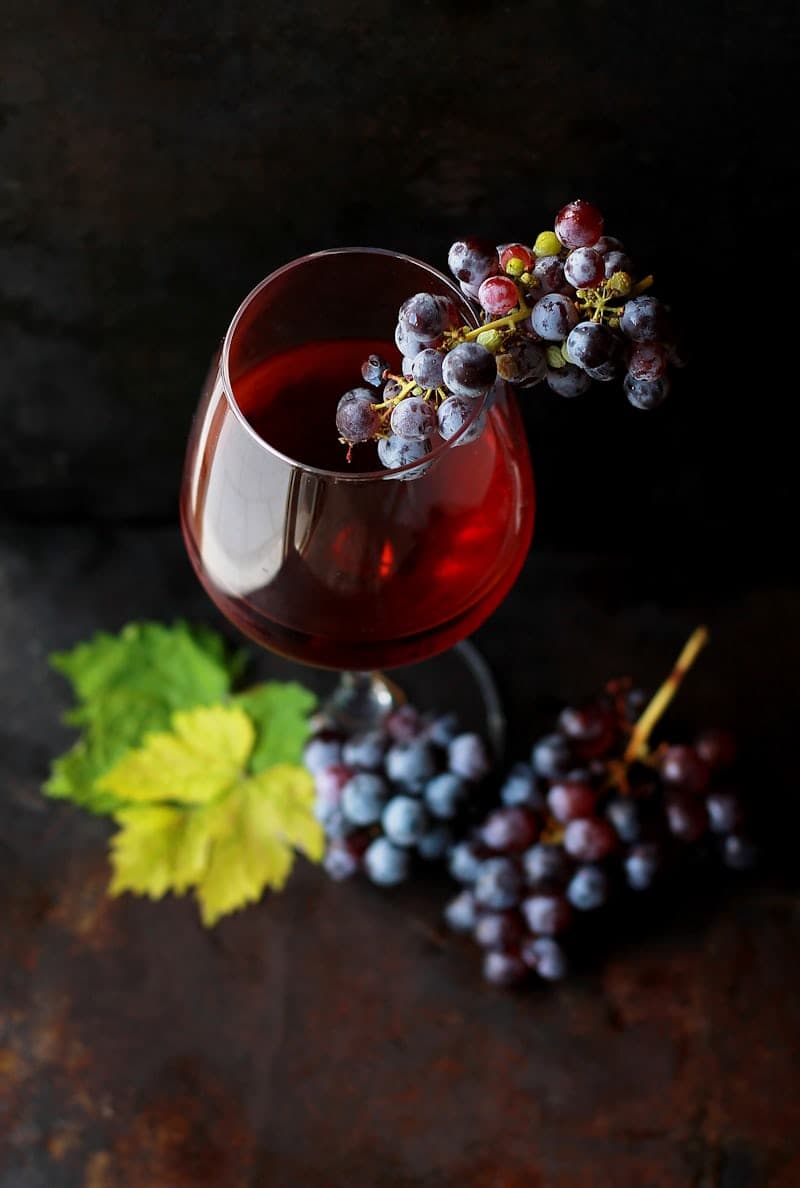
Learn proper wine tasting techniques
Practice the see-swirl-smell-sip method to appreciate a wine's color, aroma, body, and finish like a sommelier.
- Time:
- 60 min
- Cost:
- medium
- Difficulty:
- moderate
- Where:
- Indoors
- Best:
- With others
Proper wine tasting techniques are a sequence rather than a vocabulary. Look, smell, taste, conclude. The elaborate descriptive language is downstream of the process and largely optional, which is worth knowing because the language is what puts most people off attempting it at all.
Why learn proper wine tasting techniques is worth an hour
The sequence works because it separates the components you would otherwise experience as one impression. Swirling releases aromatic compounds, and since most of flavor is smell, the nose does more work than the mouth. Tasting two wines together then makes structural elements like acidity and tannin obvious, where a single glass leaves them as a vague overall sense.
How to learn proper wine tasting techniques step by step
- 1
Look at it against white
Color indicates age and grape. Reds move brown-ward with age, whites go deeper gold.
- 2
Swirl, then smell twice
A short sniff and a longer one. Swirling releases aromatics, and the nose does most of the actual work.
- 3
Taste and let it move around
Hold it briefly. Sweetness registers at the front, acidity at the sides, tannin as dryness across the gums.
- 4
Identify structure before flavor
How acidic, how tannic, how much alcohol, how much body. Structure is more useful than naming fruits.
- 5
Compare two wines side by side
Different grape or region, same session. Contrast makes structural differences immediately obvious.
Tips to get more out of it
- Serve at the right temperature. Reds served too warm taste alcoholic, whites too cold taste of almost nothing.
- Do not worry about naming specific fruits. Structure and whether you would drink it again are the useful judgements.
- Write brief notes and photograph the label as you go. Memory for wine is remarkably unreliable within only a few days.
Ways to mix it up
If you want to match wine to food rather than assess it, that is a distinct and equally useful skill. If you want to test yourself, taste blind with the bottles covered, which removes the label's substantial influence on what you think you taste.
Learn proper wine tasting techniques: frequently asked questions
What are the steps of wine tasting?
Look, swirl and smell, taste, then judge structure. The sequence separates components you would otherwise blur together.
Do I need to identify specific flavors?
No. Structure, acidity, tannin and body are more useful and far more learnable than naming particular fruits.
Why does swirling matter?
It releases aromatic compounds into the air above the glass. Since most flavor is aroma, this genuinely changes what you perceive.
Related activities
Learning
Learn about wine pairing basics
Discover which wines complement different foods—understanding body, acidity, and tannins makes every meal better.
Food & Drink
Try a new type of cheese
Visit a cheese counter and sample something you've never tasted—aged, smoked, soft, or blue—and pair it with crackers.
Food & Drink
Hold a blind taste test with snacks
Line up similar snacks or drinks, hide the labels, and find out what your taste buds really prefer.