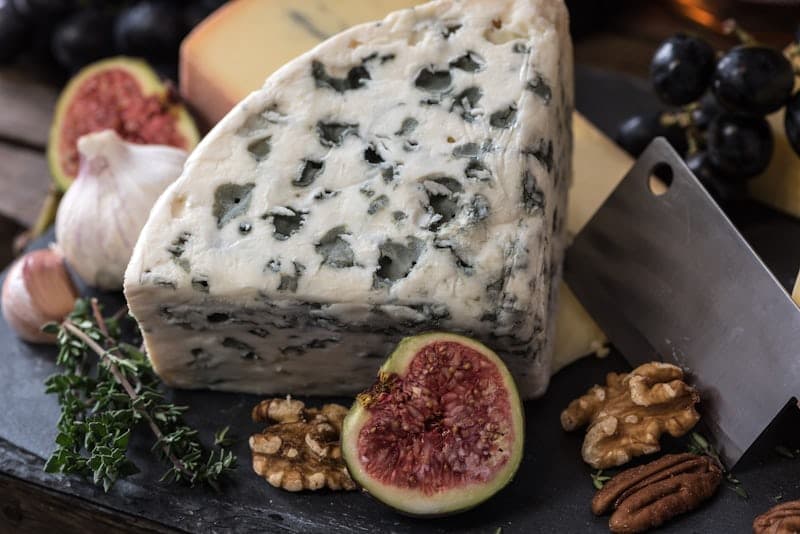
Try a new type of cheese
Visit a cheese counter and sample something you've never tasted—aged, smoked, soft, or blue—and pair it with crackers.
- Time:
- 45 min
- Cost:
- medium
- Difficulty:
- easy
- Where:
- Indoors
- Best:
- With others
To try a new type of cheese without a framework is to wander a counter picking things at random. The families make it navigable: fresh, bloomy rind, washed rind, hard, and blue. Buying one from each of three different families teaches you more in an hour than a dozen similar cheeses ever would.
Why try a new type of cheese is worth an hour
Families group cheeses by how they were made and aged, which is what actually determines texture and intensity. Tasting across families makes those production differences perceptible rather than abstract. Serving at room temperature matters more than people expect, because cold suppresses aroma and aroma is most of what you taste.
How to try a new type of cheese step by step
- 1
Buy three from different families
Something fresh, something bloomy, something hard or blue. Contrast is what teaches the palate.
- 2
Take them out an hour before
Room temperature transforms cheese. Straight from the fridge, most of the aroma is simply unavailable.
- 3
Taste mildest to strongest
A blue first will flatten everything after it. Order matters more here than in most tastings.
- 4
Try each on its own first
Before adding bread, chutney or fruit. Accompaniments come after you know what the cheese itself tastes like.
- 5
Ask the counter for a sample
Cheesemongers will almost always let you taste and will steer you well if you say what you like.
Tips to get more out of it
- Store cheese in waxed paper rather than cling film. It needs to breathe or it develops an ammonia note.
- Cut to preserve the original shape, so that everyone gets a share of both the rind and the centre, which taste quite different.
- If pregnant or immunocompromised, check which cheeses are advised against; guidance varies and is worth reading.
Ways to mix it up
If you want depth instead of breadth, buy the same style from two producers and compare. If you are building a board for guests, three well-chosen cheeses beat seven, and one should be something most people have not tried.
Try a new type of cheese: frequently asked questions
What are the main cheese families?
Fresh, bloomy rind, washed rind, hard and blue. They group by production and ageing, which determines texture and intensity.
Should cheese be served cold?
No. An hour out of the fridge transforms it, because cold suppresses the aromas that carry most of the flavor.
How many cheeses should be on a board?
Three well-chosen ones from different families beat a crowded selection, and give guests a genuine contrast to notice.
Related activities
Learning
Learn about wine pairing basics
Discover which wines complement different foods—understanding body, acidity, and tannins makes every meal better.
Food & Drink
Learn proper wine tasting techniques
Practice the see-swirl-smell-sip method to appreciate a wine's color, aroma, body, and finish like a sommelier.
Food & Drink
Hold a blind taste test with snacks
Line up similar snacks or drinks, hide the labels, and find out what your taste buds really prefer.