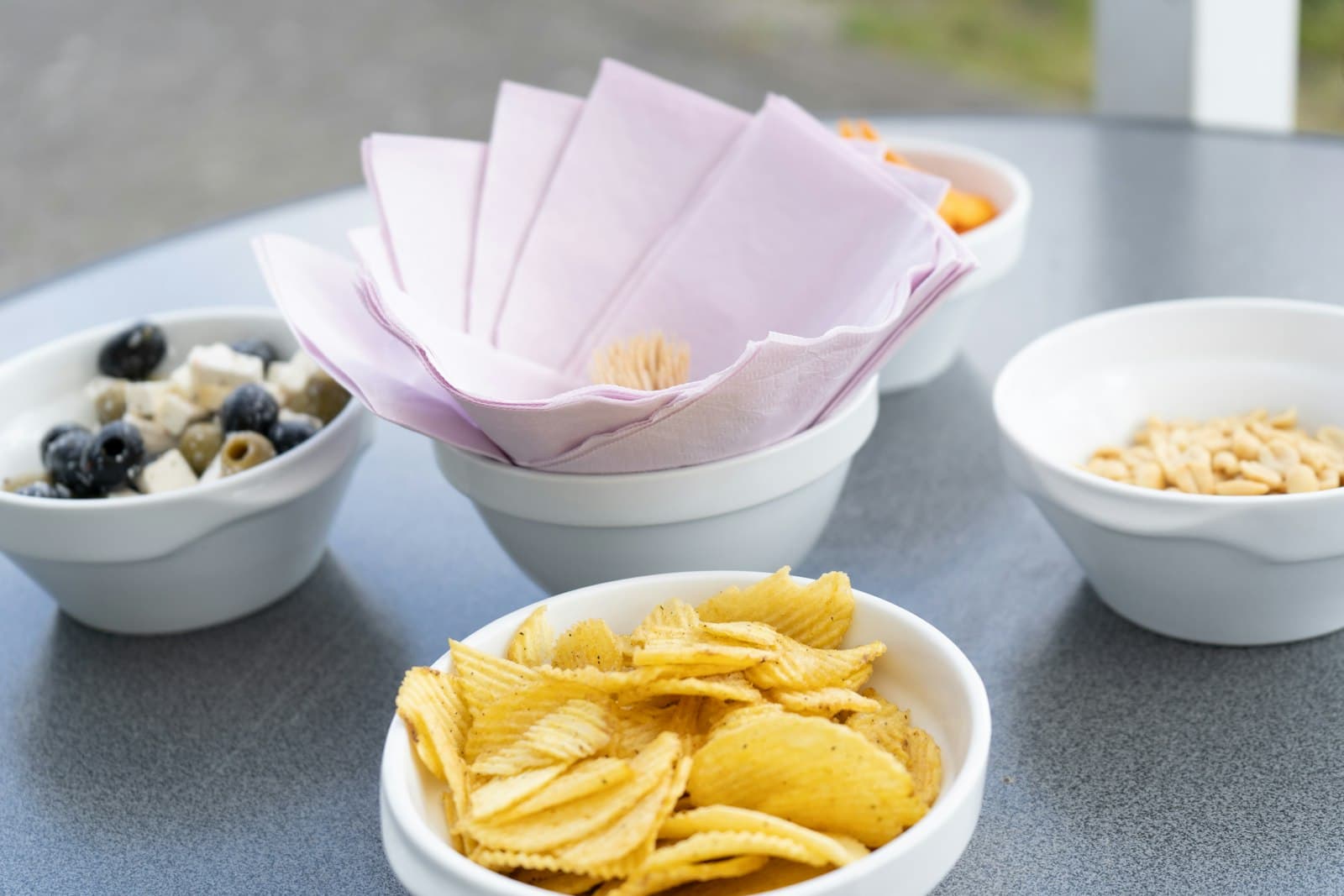
Hold a blind taste test with snacks
Line up similar snacks or drinks, hide the labels, and find out what your taste buds really prefer.
- Time:
- 45 min
- Cost:
- low
- Difficulty:
- easy
- Where:
- Indoors
- Best:
- With others
A blind taste test is an unusually entertaining hour because the results tend to embarrass everyone taking part. Expectation genuinely changes perception, so people confidently identify the expensive option and get it wrong. Setting it up properly takes fifteen minutes and produces an evening of arguing.
Why hold a blind taste test with snacks is worth an hour
Brand, price and packaging all measurably influence how something tastes, not just what people say about it. Removing those cues isolates the food itself. The design details matter: someone who is not tasting must do the pouring, samples need identical containers, and everyone should write their answer down before anybody speaks.
How to hold a blind taste test with snacks step by step
- 1
Pick one product category
Three or four versions of the same thing: crisps, chocolate, orange juice. Comparing unlike items proves nothing at all.
- 2
Have a non-taster prepare it
Someone who is not participating pours and labels. Anyone who saw the packaging cannot taste blind.
- 3
Use identical unmarked containers
Numbered, not lettered, since letters imply ranking. Identical vessels remove every visual cue.
- 4
Write answers before discussing
Silently, everyone at once. One confident opinion spoken aloud shifts the whole room's perception.
- 5
Provide water and plain crackers between
Palate cleansing genuinely matters between samples. Without it, the later samples get judged against whatever flavor is still lingering.
Tips to get more out of it
- Randomize the tasting order separately for each person. Whatever gets tasted first carries an advantage that is otherwise hard to control for.
- Ask people to rank the samples rather than score them. Ranking is far more reliable than numeric scores, which everyone interprets differently.
- Include the same product twice as a hidden control. It reveals how consistent anyone's palate actually is, which is usually humbling.
Ways to mix it up
If you want a practical outcome, test supermarket own-brand against name-brand versions of things you buy weekly; the savings from one result can be substantial. If you want it harder, test the same product at different temperatures, which affects perception more than most people believe.
Hold a blind taste test with snacks: frequently asked questions
How do I run a blind taste test properly?
Have a non-participant prepare identical numbered samples, randomize the order, and have everyone write answers before discussing.
Does branding really change taste?
Measurably, yes. Price and packaging alter perceived flavor, not just stated preference, which is why blinding matters.
How many samples should I use?
Three or four. Beyond that, palate fatigue makes the later samples unreliable regardless of cleansing.
Related activities
Food & Drink
Try a new type of cheese
Visit a cheese counter and sample something you've never tasted—aged, smoked, soft, or blue—and pair it with crackers.
Food & Drink
Learn proper wine tasting techniques
Practice the see-swirl-smell-sip method to appreciate a wine's color, aroma, body, and finish like a sommelier.
Food & Drink
Try a new type of tea or coffee
Step outside your usual order and sample an unfamiliar blend, origin, or brewing method to expand your palate.