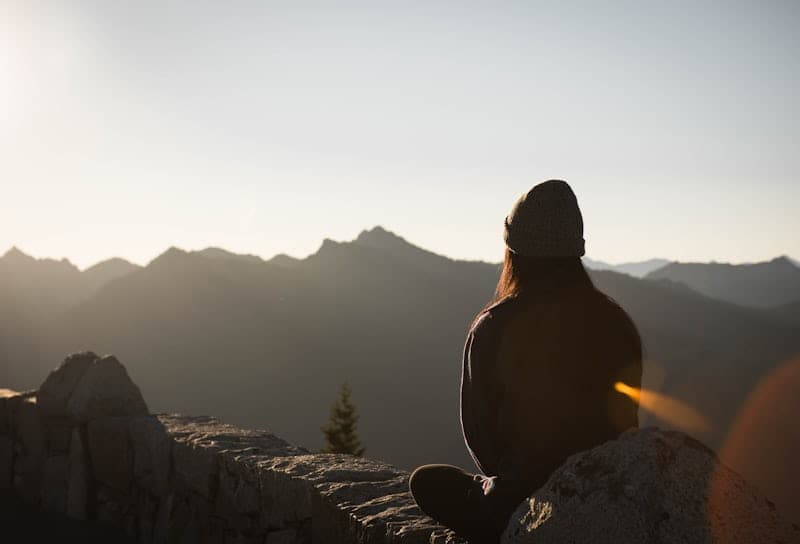
Practice deep breathing exercises
Try box breathing or 4-7-8 breathing to calm your nervous system, lower stress, and improve focus in minutes.
- Time:
- 15 min
- Cost:
- free
- Difficulty:
- easy
- Where:
- Indoors
- Best:
- Solo
Most breathing advice focuses on the inhale, which is the less useful half. When you practice deep breathing exercises for calm, the exhale is doing the work, and simply making your out-breath longer than your in-breath is most of the technique. The rest is breathing with the diaphragm rather than the upper chest.
Why practice deep breathing exercises is worth an hour
Heart rate rises slightly on the inhale and falls on the exhale, so lengthening the out-breath shifts the balance of the autonomic nervous system toward the calming side. Diaphragmatic breathing matters because shallow chest breathing does not produce the same effect, and it is also what most people default to when already tense.
How to practice deep breathing exercises step by step
- 1
Put one hand on your belly
It should rise more than your chest. If only the chest moves, you are breathing shallowly.
- 2
Breathe in through the nose
Slowly, for a count of about four. Nasal breathing slows the intake naturally without effort.
- 3
Make the exhale longer
Six or more, through the mouth or nose. This ratio is the active ingredient of the whole technique.
- 4
Continue for two minutes minimum
Effects build over a couple of minutes. Three or four breaths is not long enough to notice anything.
- 5
Practice when calm, not only when stressed
A technique first attempted during a crisis rarely works. Familiarity is what makes it available then.
Tips to get more out of it
- Counts like four-seven-eight are one workable pattern. The ratio matters more than the specific numbers.
- Stop if you feel dizzy. Over-breathing produces lightheadedness and the aim is slower breathing, not more of it.
- If you have a respiratory or cardiac condition, check with a doctor before adopting a breathing practice.
Ways to mix it up
If counting is distracting, simply breathe out for longer than you breathe in without numbers attached. If you want something for sleep specifically, do it lying down with a longer exhale still, which is where the drowsiness comes from.
Practice deep breathing exercises: frequently asked questions
Why does a longer exhale calm you?
Heart rate falls slightly on the out-breath, so extending it shifts the autonomic balance toward the calming side.
What is 4-7-8 breathing?
Inhale for four, hold for seven, exhale for eight. It is one workable pattern; the long exhale is what matters.
Can breathing exercises make you dizzy?
Over-breathing can. Stop if you feel lightheaded, and check with a doctor if you have a respiratory or cardiac condition.
Related activities
Health & Fitness
Research stress-reduction techniques
Compare evidence-based stress relievers — breathing, exercise, nature — and pick one to test.
Mindfulness
Practice progressive muscle relaxation
Systematically tense and release each muscle group from head to toe to melt away physical tension and stress.
Mindfulness
Meditate for 10-15 minutes
Sit quietly, focus on your breath, and let thoughts pass without judgement—a short session can reset your entire day.