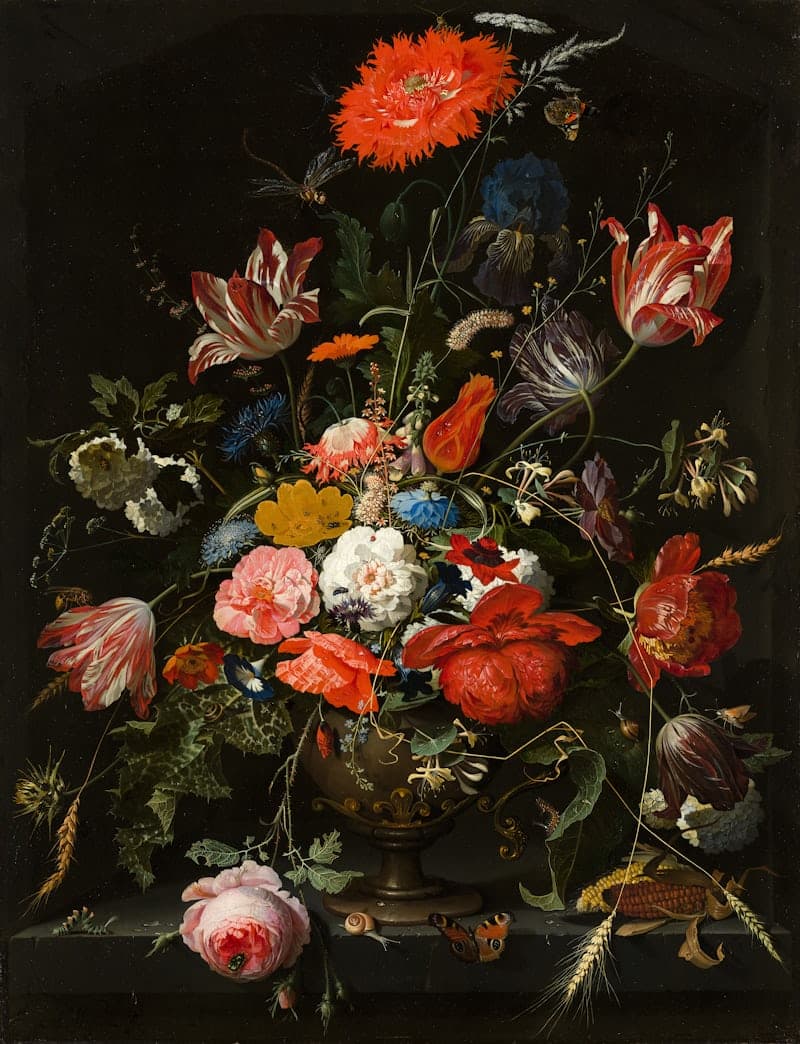
Try your hand at watercolor painting
Experiment with watercolour washes, blending, and layering to create soft, flowing artwork with this forgiving medium.
- Time:
- 60 min
- Cost:
- medium
- Difficulty:
- moderate
- Where:
- Indoors
- Best:
- Solo
Watercolor behaves unlike other paints and most beginner frustration comes from treating it like acrylic. To try watercolor painting successfully you work from light to dark, you cannot easily cover a mistake, and the water does a great deal of the work if you leave it alone long enough to do it.
Why try your hand at watercolor painting is worth an hour
The paint is transparent, so the white of the paper is your only light source and every layer darkens what is beneath. Working light to dark respects that. The other governing variable is wetness: paint applied to wet paper spreads softly, and to dry paper stays sharp, and knowing which you want before the brush lands is most of the technique.
How to try your hand at watercolor painting step by step
- 1
Use proper watercolor paper
At least three hundred grams per square meter. Thin paper buckles and ruins the wash regardless of your technique.
- 2
Work light to dark
Lightest washes first, building up. The paper is your white, and there is no covering back over it.
- 3
Learn wet-on-wet versus wet-on-dry
Paint onto damp paper spreads softly; onto dry paper it stays crisp. Decide which before the brush touches.
- 4
Let layers dry completely
Touching a drying wash creates blooms. This is the single hardest discipline in watercolor.
- 5
Stop earlier than feels finished
Overworking is what turns a fresh painting muddy. Watercolor rewards restraint more than any other medium.
Tips to get more out of it
- Plan where the white paper stays before you begin. Preserving highlights is far easier than recovering them.
- Test colors on scrap first. Watercolor dries considerably lighter than it appears when wet.
- Use more water than feels right. Beginners almost universally paint too dry and too thick.
Ways to mix it up
If control is what you want, wet-on-dry with a smaller brush behaves much more predictably. If you want to understand the medium, spend the hour doing nothing but graded washes, which is dull and teaches water control faster than any subject.
Try your hand at watercolor painting: frequently asked questions
Why does my watercolor paper buckle?
It is too thin. Use paper of at least three hundred grams per square meter, or stretch and tape thinner paper first.
Why do my paintings look muddy?
Usually overworking, or painting into a wash that has not dried. Watercolor rewards stopping earlier than feels finished.
How do I make white areas?
By leaving the paper unpainted. Plan your highlights before you start, since recovering white is difficult.
Related activities
Creative
Do some finger painting
Finger painting for adults can be a simple way to explore colour and marks without a brush.
Mindfulness
Try mindful coloring
Pick up some pencils and a coloring page and let the repetitive strokes quiet your mind.
Creative
Sketch or doodle something creative
Grab a pencil and paper and let your imagination flow—no perfection needed, just free expression on the page.