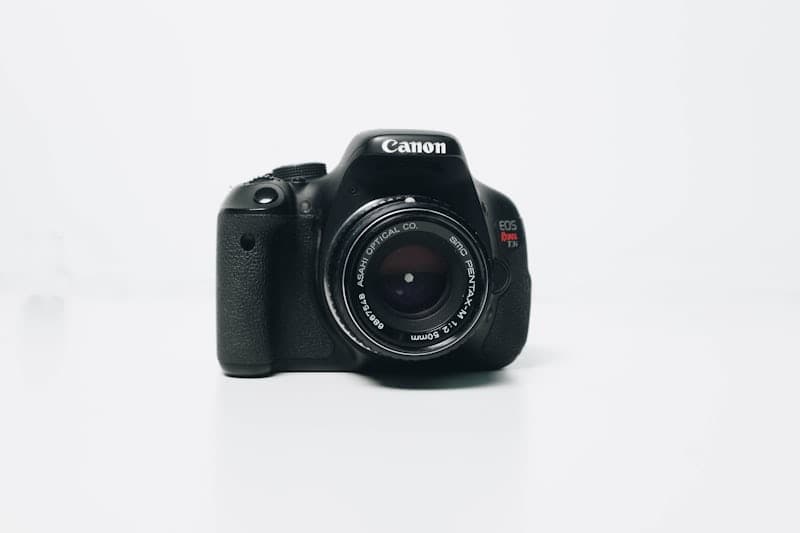
Try outdoor photography
Capture landscapes, wildlife, or street scenes outside—practice composition and lighting with nature as your studio.
- Time:
- 60 min
- Cost:
- free
- Difficulty:
- easy
- Where:
- Outdoors
- Best:
- Solo
When you try outdoor photography, the biggest variable is not the camera, it is the hour you chose to go out. The same scene photographed at midday and an hour before sunset produces two entirely different pictures, and no amount of equipment closes that gap. Everything else is secondary.
Why try outdoor photography is worth an hour
Low sun produces long shadows and warm directional light that reveals texture and shape, while overhead midday sun flattens everything and blows out highlights. Overcast light is the underrated case: it acts as an enormous diffuser, which is genuinely better for detail, close-up work and anything with people in it.
How to try outdoor photography step by step
- 1
Go out in the hour after sunrise or before sunset
Low warm directional light. This one decision improves outdoor photographs more than any equipment purchase.
- 2
Notice the light direction
Side light reveals texture, back light creates silhouettes and rim light, front light flattens everything.
- 3
Use overcast days deliberately
Soft even light is excellent for detail, woodland and anything close up. Grey is not a wasted day.
- 4
Photograph one subject repeatedly
Ten shots of one tree from different positions teaches more than one shot each of ten things.
- 5
Include a foreground
Empty foreground is the commonest weakness in landscape photographs and the easiest to fix by moving.
Tips to get more out of it
- Get low, or climb higher. Most people photograph everything from standing eye height, which is exactly why so many photographs look the same.
- Shoot into the light occasionally rather than always with it behind you. Backlit scenes are harder to expose and frequently the most striking.
- Check the weather for interesting conditions rather than good ones. Mist, storm light and frost beat clear blue.
Ways to mix it up
If you want composition specifically rather than light, that is a distinct skill worth its own session. If you want a constraint, restrict yourself to one focal length for the whole outing, which forces you to move rather than zoom.
Try outdoor photography: frequently asked questions
What is golden hour?
The hour after sunrise and before sunset, when low sun produces warm directional light and long shadows.
Is overcast weather bad for photography?
No. Cloud acts as a giant diffuser, which is excellent for detail, woodland and portraits. It is bad only for big landscapes.
Do I need an expensive camera?
No. Timing and position matter far more than equipment, and a phone in good light beats a camera in bad light.
Related activities
Learning
Learn basic photography composition
Photography composition is how you arrange a subject and the surrounding space in the frame.
Outdoor
Watch the sunrise or sunset outdoors
A sunrise or sunset outing needs a suitable viewing spot, the local time for your chosen date and a safe way home.
Creative
Take ten creative photos of ordinary objects
Challenge yourself to make everyday objects look extraordinary using angles, light, and close-ups.