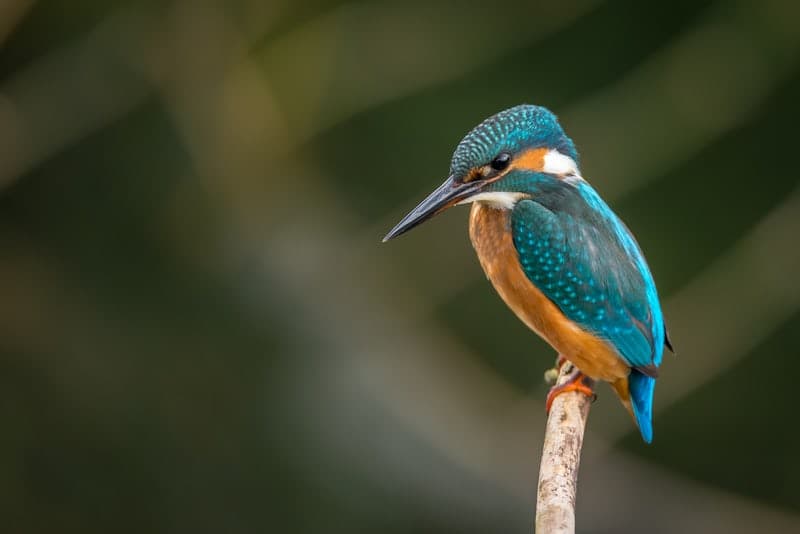
Do some bird watching
Grab binoculars and a field guide, then quietly observe local bird species and learn to identify them by sight and sound.
- Time:
- 60 min
- Cost:
- free
- Difficulty:
- easy
- Where:
- Outdoors
- Best:
- Solo
The usual way to fail when you do some bird watching is to open a field guide with four hundred species and try to match whatever just flew past. Learning ten common local birds properly works far better, because most of what you see will be those ten, and knowing them makes the eleventh immediately obvious as something different.
Why do some bird watching is worth an hour
Experienced birders identify by shape, size and behavior long before color, because color changes with light and season while structure does not. Behavior is particularly reliable: how a bird moves along a branch, whether it hops or walks, how it flies. Learning that vocabulary on familiar species is what makes unfamiliar ones identifiable later.
How to do some bird watching step by step
- 1
Start with the ten most common
Find a local list. These will be most of what you ever see, and knowing them makes anything unusual stand out.
- 2
Note size, shape and behavior first
Bigger than a sparrow? Hopping or walking? Color is the least reliable feature and the one beginners lead with.
- 3
Watch from indoors to begin with
A window overlooking a feeder is ideal. Birds ignore you entirely and you can take your time.
- 4
Learn three calls
Most birds are heard before seen. Three familiar calls transform how much you notice on any walk.
- 5
Keep a simple list
Date, place, species. A record turns individual sightings into a picture of what is around and when.
Tips to get more out of it
- Binoculars around eight by forty-two are a good general choice: bright, steady, and not too heavy.
- Dawn is best, and early spring is when song is loudest as birds establish territory.
- Stand still near cover rather than walking. Birds return within minutes once you stop moving.
Ways to mix it up
If you have no outdoor space, a local park bench near water works well since waterbirds are large, slow and easy to learn on. If you already know the common species, try learning song specifically, which is the skill that separates casual watchers from serious ones.
Do some bird watching: frequently asked questions
What binoculars should a beginner buy?
Around eight by forty-two is a good general specification: bright enough for dawn, steady in the hand, not too heavy.
How do I identify a bird I have never seen?
Note size, shape and behavior before color. Structure and movement are far more reliable than plumage, which changes with light.
When is the best time for bird watching?
Early morning, and early spring for song. Territorial singing peaks as birds establish breeding territory.
Related activities
Outdoor
Take a walk in a nearby park and observe nature
Slow down and notice the trees, birds, and seasonal changes around you on a mindful stroll through your local park.
Outdoor
Visit a nature reserve
To find a nature reserve near you, start with a UK reserve directory, then check the individual site’s access information.
Mindfulness
Sit outside and just listen for ten minutes
Find a comfortable spot outdoors, close your eyes, and count how many distinct sounds you can hear.