Make a Nature Display Without Disturbing Wildlife
A nature display can use photographs, drawings and a few fallen objects collected where permission allows.
- Time:
- 60 min
- Cost:
- free
- Difficulty:
- easy
- Where:
- Outdoors
- Best:
- Solo
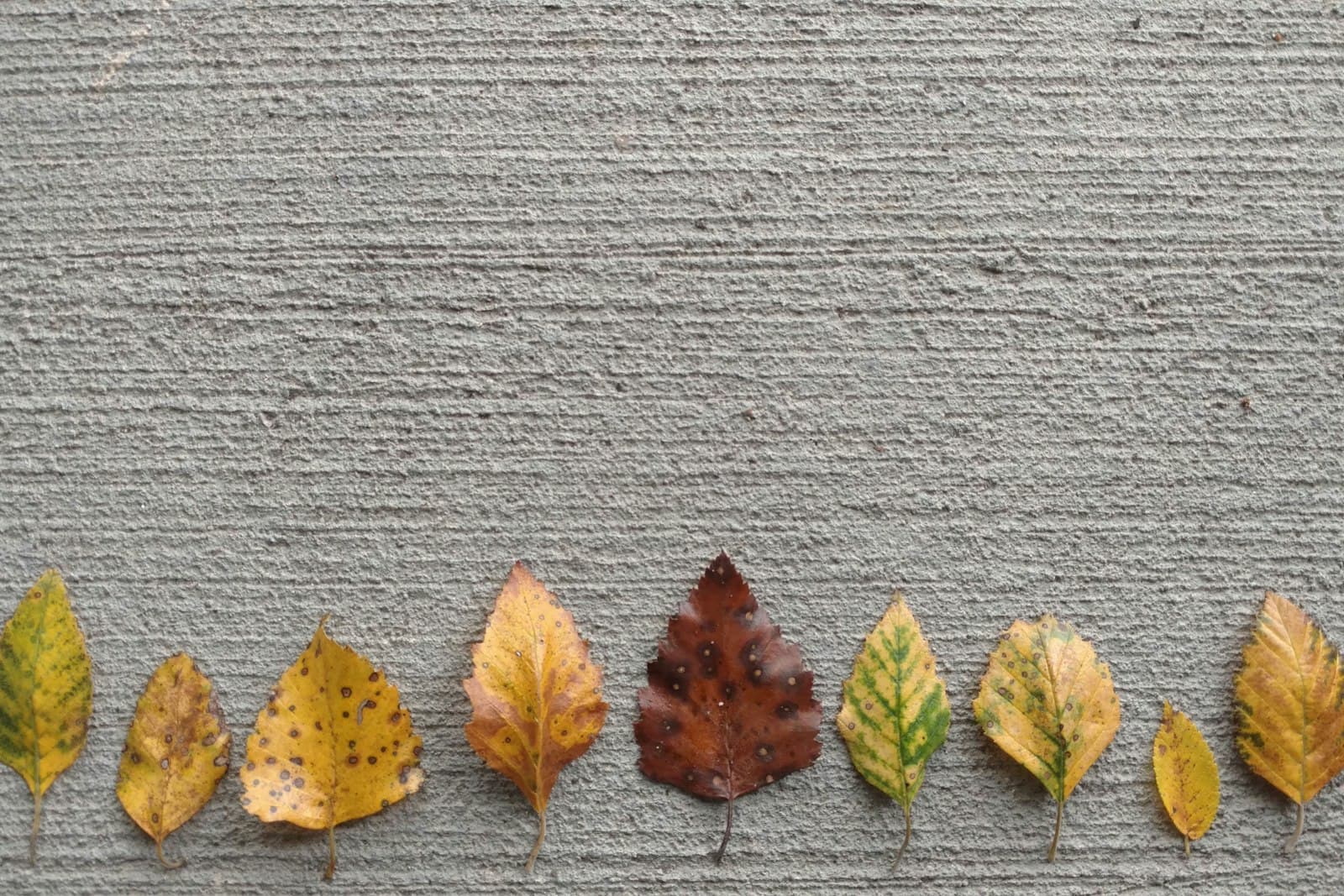
A nature display can use photographs, drawings and a few fallen objects collected where permission allows. Look for shapes, colours and textures on a short walk. Protected sites may prohibit collecting, and wildlife uses fallen material, so observing an object is often the better choice.
A small nature display with clear labels
Choose a theme such as leaf shapes, autumn colours or patterns in bark. Photograph three examples and note where you saw them. If collection is allowed, take only a small amount of common fallen material and leave anything occupied by insects or attached to a living plant.
Arrange your finds on a tray or use printed photographs. Add a date and a short observation to each label. Do not bring unknown berries, fungi or animal remains into the display. Wash your hands afterwards and keep small or sharp pieces away from children and pets.
Why collect natural treasures for a display is worth an hour
Provenance is what makes a natural history collection interesting, which is why museum specimens carry a location and date. It also compounds: a shelf of shells means little, but shells labelled by beach and month starts showing you patterns. Drying properly matters for the plain reason that undried material rots and ruins whatever it is stored with.
How to collect natural treasures for a display step by step
- 1
Check what you may legally take
Protected species, nature reserves and some beaches restrict collecting. Rules vary and are worth two minutes.
- 2
Take only what is already fallen
Leaves, seed heads, shells, feathers, stones. Leave living plants and anything obviously occupied.
- 3
Record place and date immediately
In a note or on a slip of paper with the object. Memory fails within days and provenance is the whole point.
- 4
Dry everything properly
Leaves pressed between paper under a weight, other items air dried. Damp material rots and spreads mould.
- 5
Display with the labels visible
A frame, tray or jar with the location written on. The label is what makes it interesting to anyone else.
Tips to get more out of it
- Do not collect bird feathers where protected species laws apply, since possession is restricted in some countries.
- Freeze anything organic for a couple of days before bringing it indoors, which kills any insects travelling with it.
- Take photographs of what you leave behind. It records more than a collection and removes nothing.
Ways to mix it up
If you would rather not remove anything, photograph and catalogue instead, which builds the same record with no impact. If you have children, a small labelled tray per outing works better than one large accumulating collection.
For more ideas, browse outdoor activities.
Another activity to try is take a walk in a nearby park and observe nature.
Collect natural treasures for a display: frequently asked questions
Can I collect things from a nature reserve?
Check the site’s rules; many protected areas prohibit removing material. Photographs and sketches let you create a display while leaving plants, habitat and wildlife undisturbed.
Is it legal to collect things from nature?
It depends where and what. Nature reserves, protected species and some beaches restrict collecting, so check locally first.
How do I preserve leaves?
Press them between sheets of paper under a weight for a couple of weeks. Undried material rots and can spoil a whole collection.
Why record where I found something?
Provenance is what makes a collection interesting rather than decorative, and it reveals patterns across places and seasons.
Related activities
Outdoor
Plant something in a pot or garden
Get your hands in the soil and start a herb, flower, or vegetable you can watch grow.
Outdoor
Take a walk in a nearby park and observe nature
Slow down and notice the trees, birds, and seasonal changes around you on a mindful stroll through your local park.
Creative
Create a DIY home decoration
Upcycle materials or craft something new—like a candle holder, wall art, or plant pot—to personalise your space.